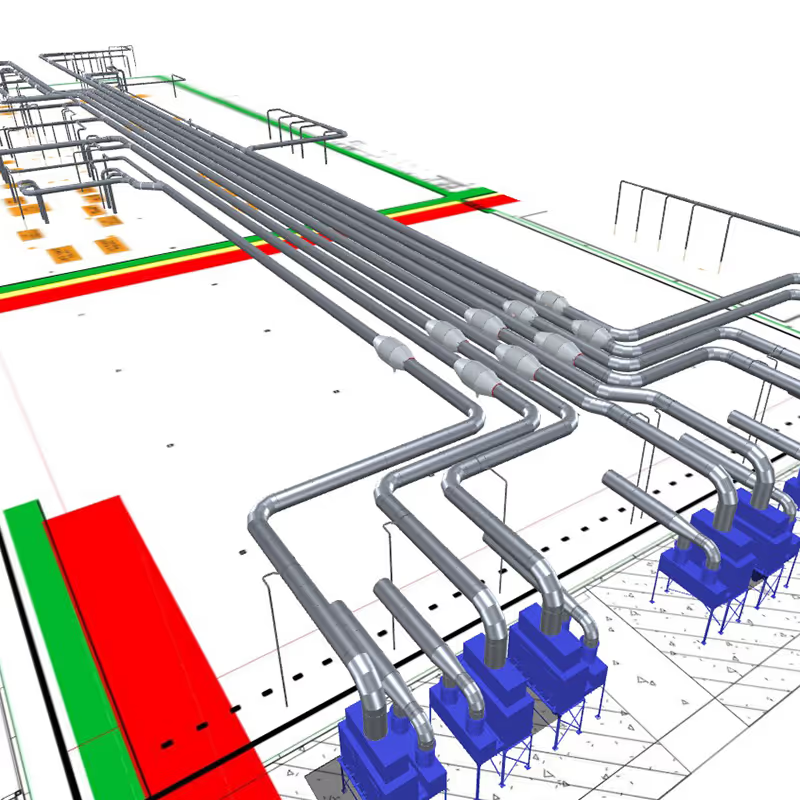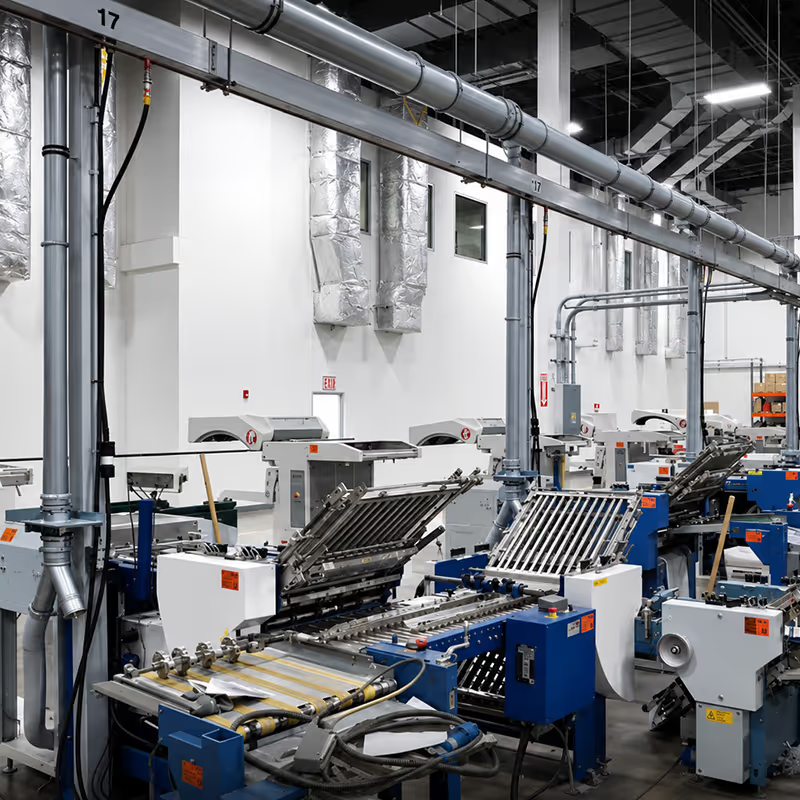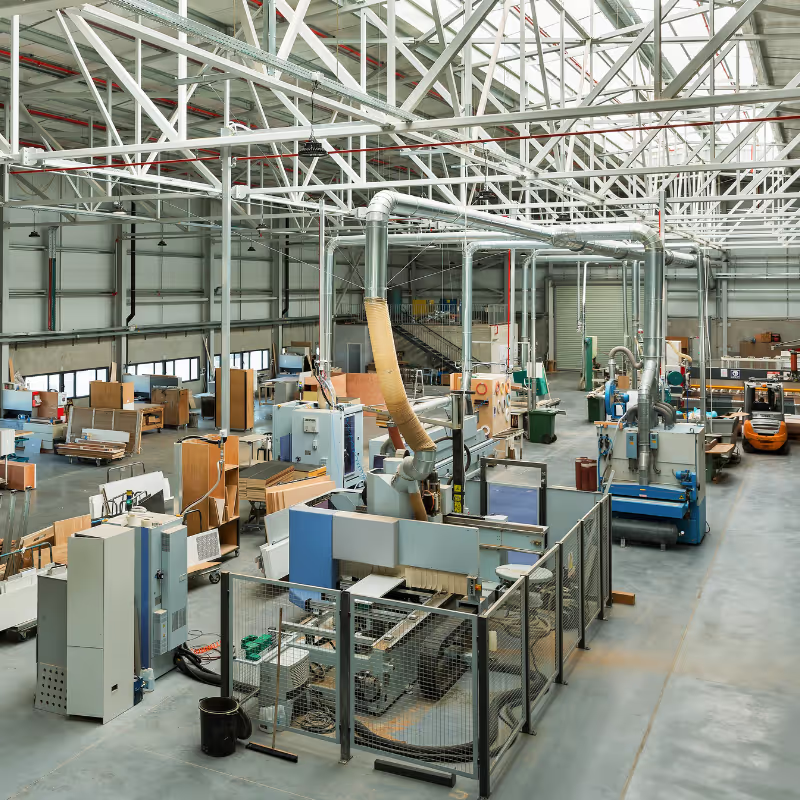


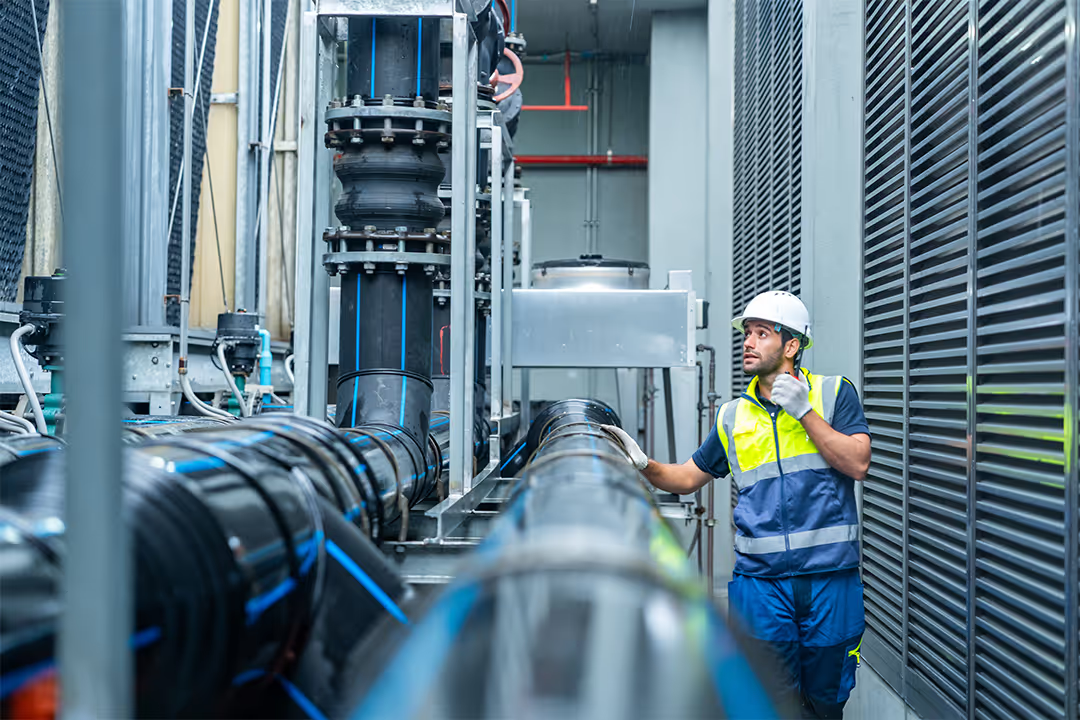
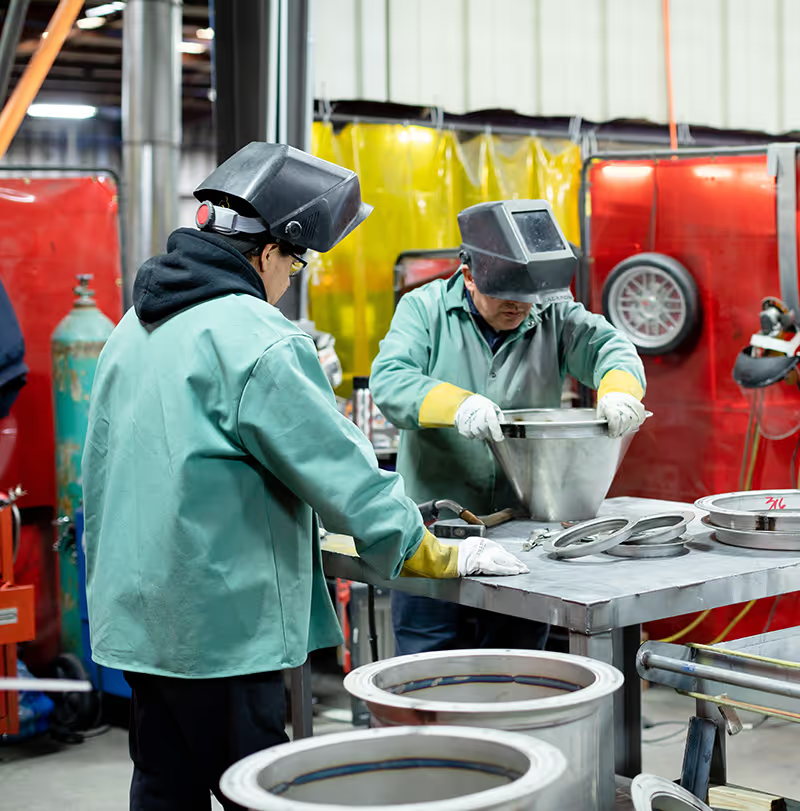
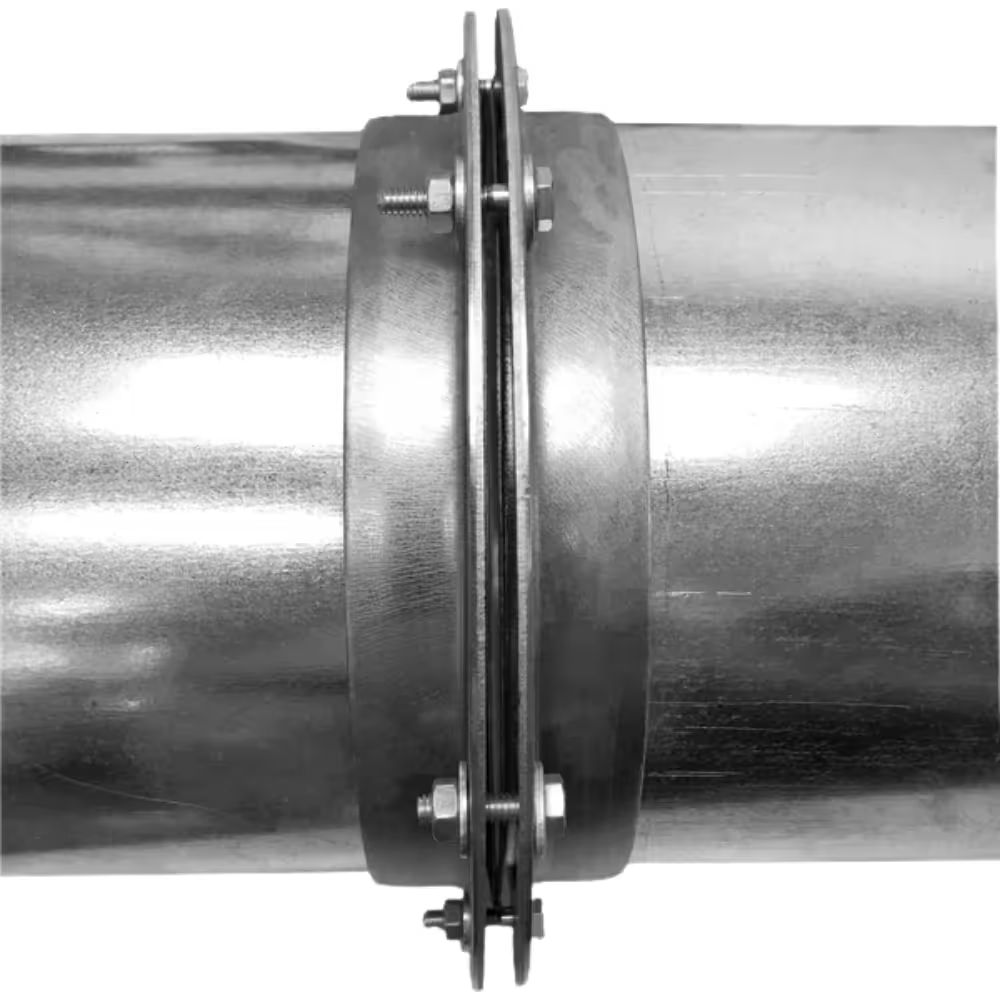
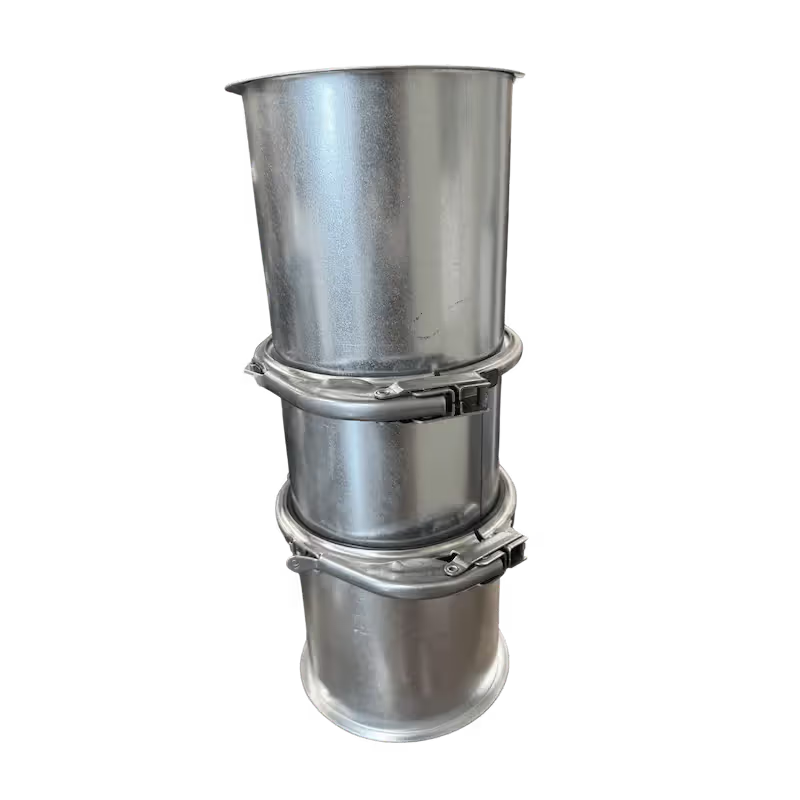
US Duct engineers, manufactures, and delivers industrial ductwork, tubing, dust collection, fume extraction, and waste handling solutions designed for demanding manufacturing environments across woodworking, welding, food processing, battery manufacturing, plastics, automotive, chemical processing, and many other demanding manufacturing environments.
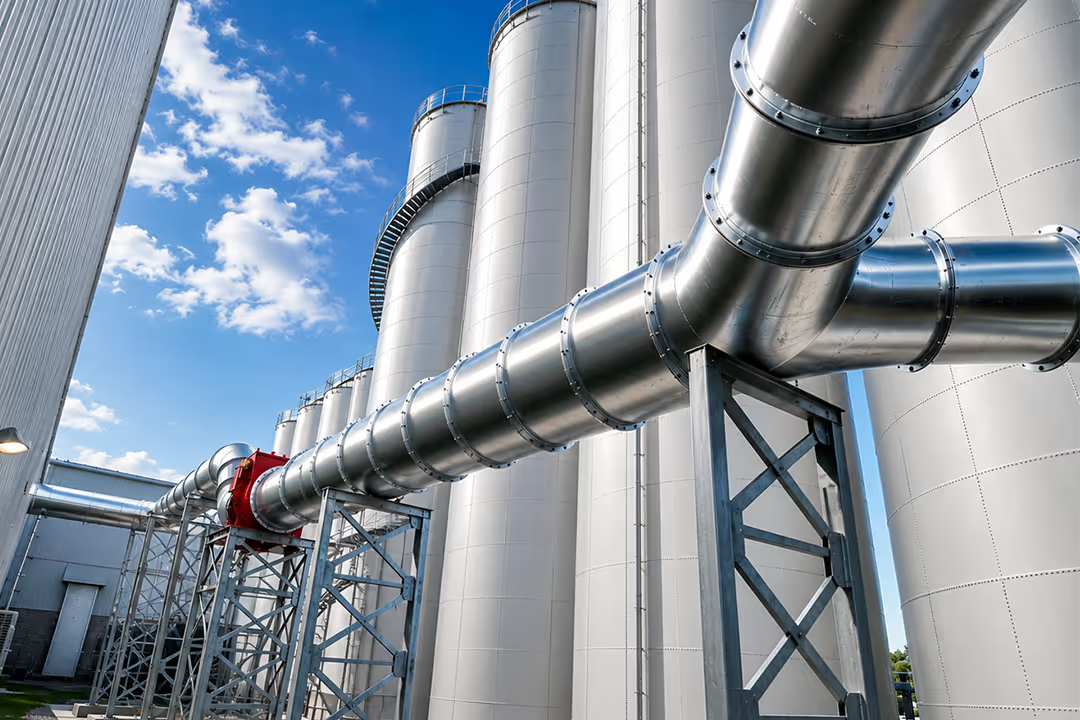
In industrial manufacturing environments, poorly engineered ductwork and dust collection systems create operational inefficiencies, maintenance problems, and compliance risks that compound over time.
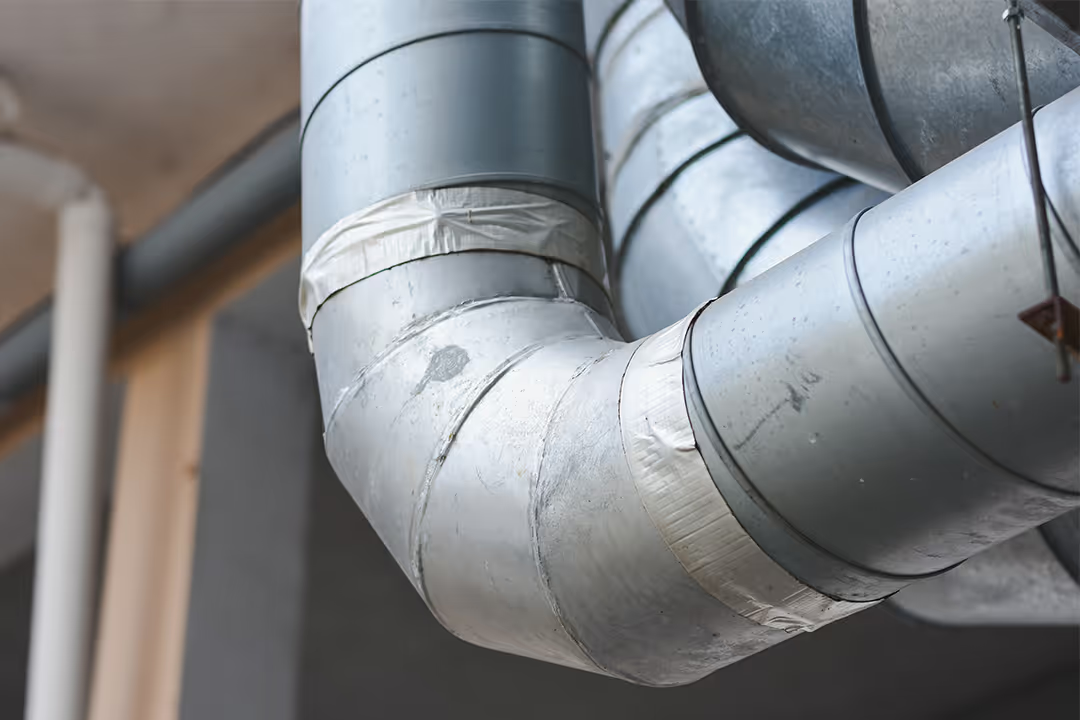
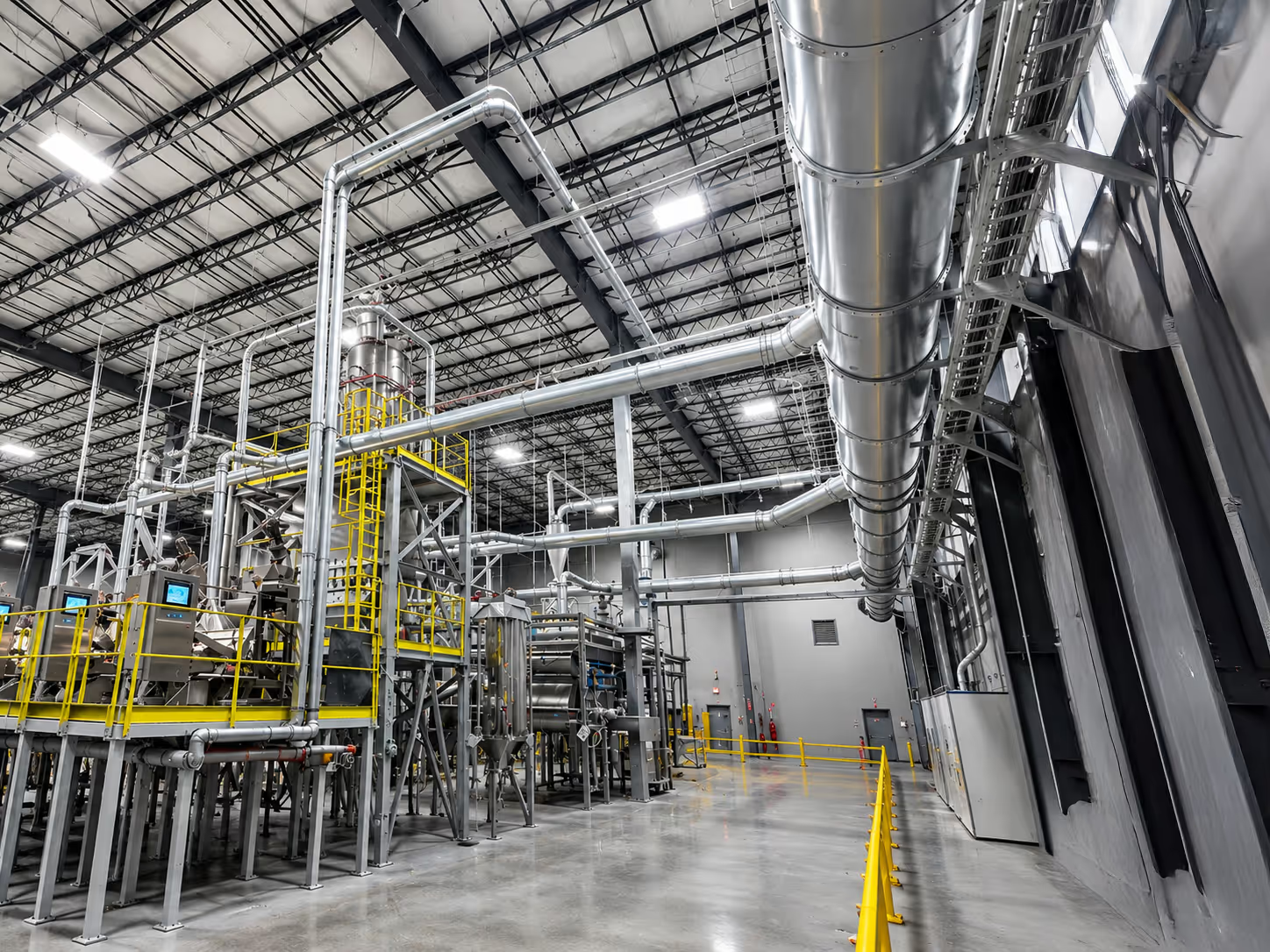
US Duct engineers industrial airflow and waste collection systems around the realities of manufacturing operations — balancing airflow, pressure, particulate loading, process conditions, and installation requirements across the entire system.
For engineering firms, it’s all about the details and accuracy. Industrial airflow systems that match exactly to specification.



Fast quoting, dependable lead times, and products your customers can count on. We help you keep projects moving and customers coming back.

Technical support, configurable solutions, and performance-focused ductwork designed to fit complex applications and system requirements.

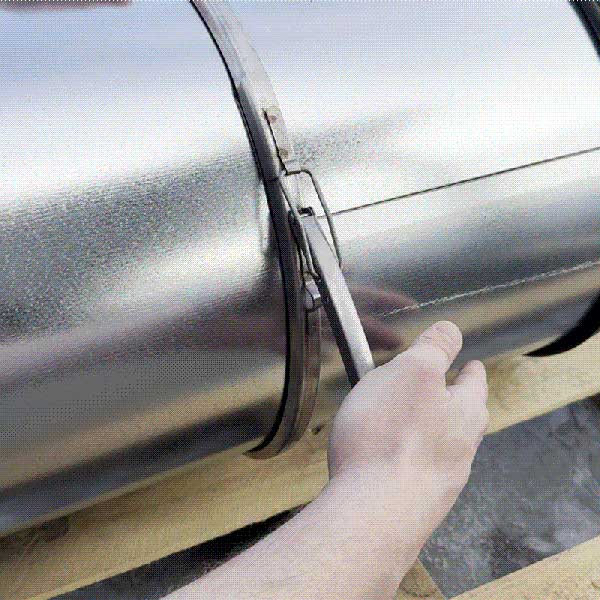
Simple installation, reliable fit-up, and responsive support that helps crews stay efficient in the field and on schedule.

Practical solutions built to improve airflow, reduce maintenance, manage waste, and keep production running smoothly.
Lorem Ipsum is simply dummy text of the printing and typesetting industry.


Lorem Ipsum is simply dummy text of the printing and typesetting industry.


15 years of excellence

Working with US Duct has been a fantastic experience for me and our team at J and G Machinery. We transitioned several years ago from our supplier Nordfab to US Duct and this experience has proven to be one of the best decisions for our company. The quick response, accurate 3D drawings for each project, pricing, and just the overall understanding of the support we needed as a company has been a huge determining factor in that this decision was correct for us as a company. Also, [the US Duct] team provide us with the ability to clearly articulate ideas and feedback which contributes to our team's overall effectiveness and success in the field. By doing this, it allows us to convey to our customers the correct dust pipe layouts that best fits what they are looking to achieve within their facility.
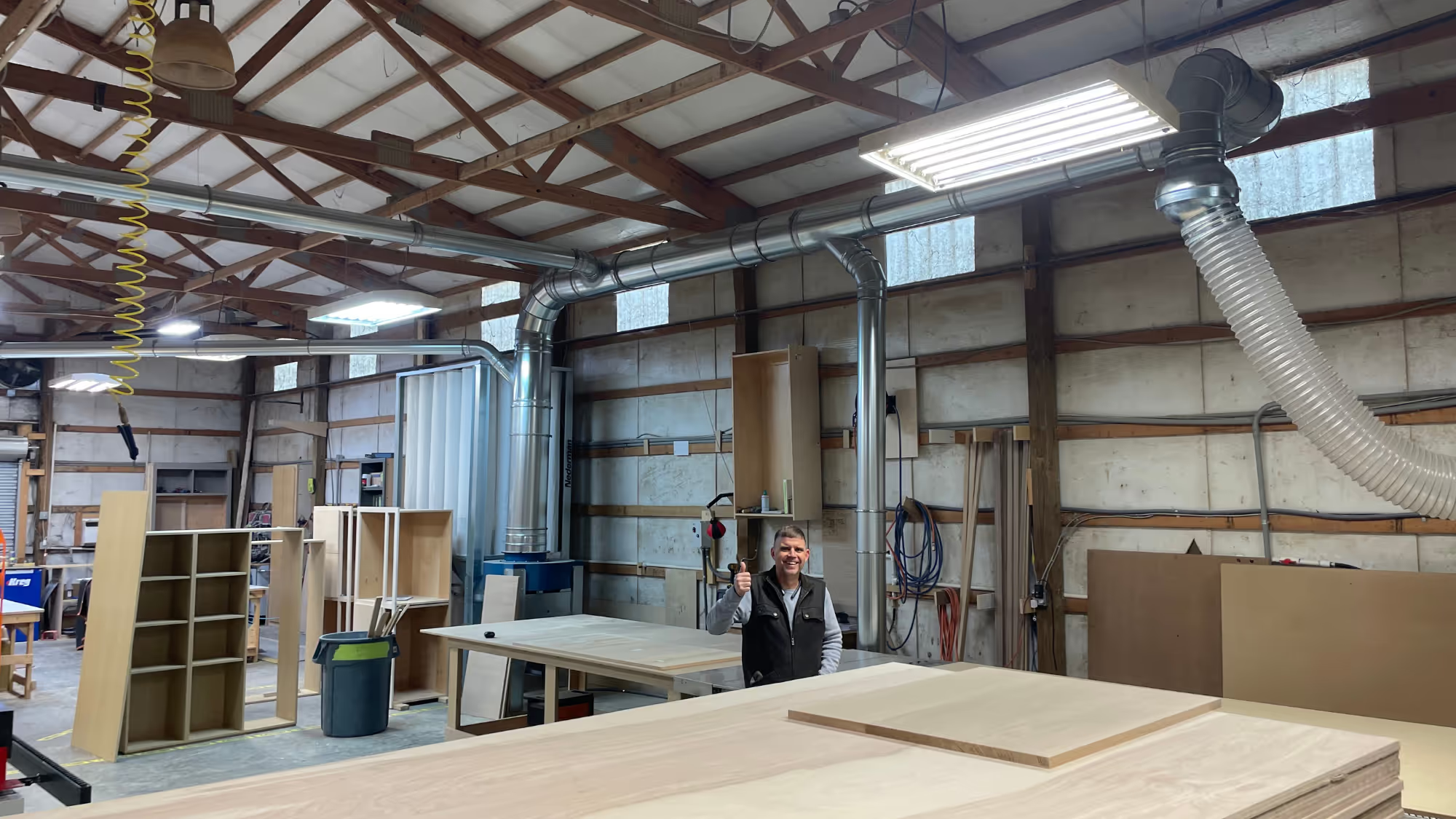
US Duct is the best ductwork and performance component supplier out there! Nobody does it like them. The personalized and constant customer service and attention to detail on quotes and quality products is seriously unmatched. From the products to the quoting/3D rendering tool, my ordering time through installation was more than cut in half. Brandy and the sales folks at Duct really care about their customers and it shows. Thanks for always coming through for me!

Working with the team at US Duct has taken one of the hardest parts of my job and made it one of the easiest parts. All I have to do is send over a layout and I know that they will take care of the rest.
We’ve been working with US Duct for the past few years after making the jump from a competitive brand. US Duct makes great products, offers excellent customer service, and with the Duct Quote software, we’ve saved hundreds of hours of design time. I wish we would have switched to US Duct years ago!
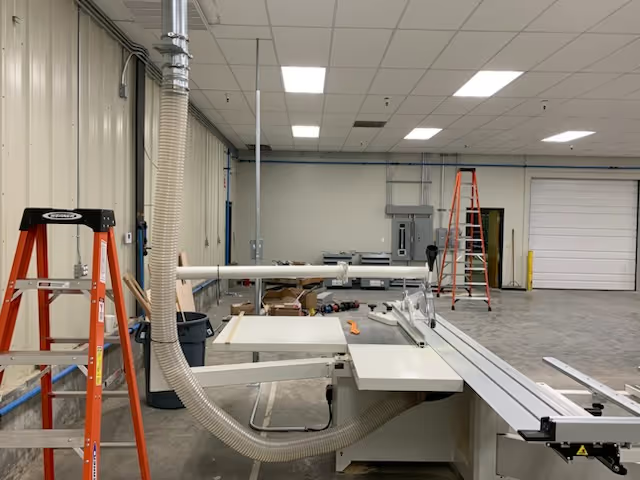
We had worked with “the other guys” for years before we were convinced us to give US Duct a try. I can say that our experience over the past 3 years has exceeded all our expectations. Through excellent service, quick lead times, and responsiveness, US Duct continues to prove that they are the premier clamp-together duct company.
MC5 LLC has been working with US Duct for going on 5 years. Their commitment to quality, on-time deliveries, and turning around quotes is unmatched. In the fast paced high demand automotive industry, US Duct has stepped up time and time again. I can’t express how important this is and what a pleasure it is to work with the US Duct team.
Get started on a solution tailored to your needs, or explore our range of inline separators, self-dumping hoppers, and baghouses for even more ways to optimize your workspace.
.avif)