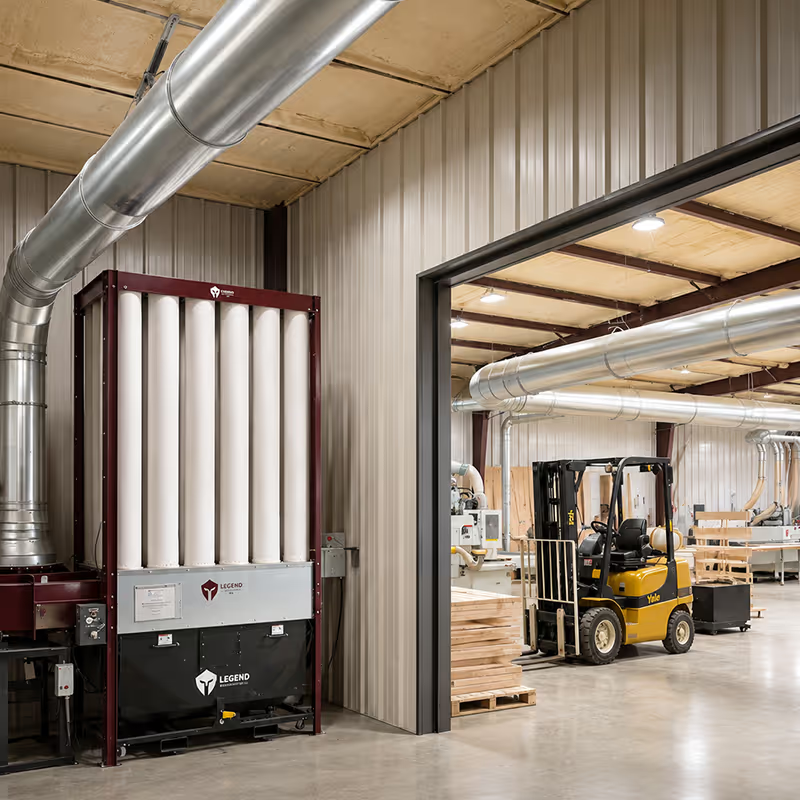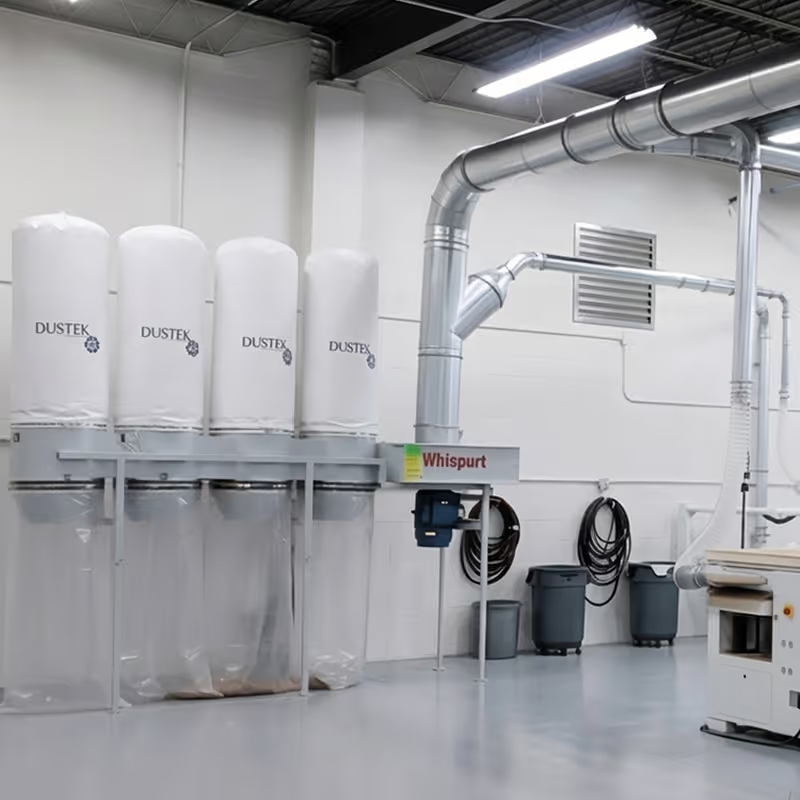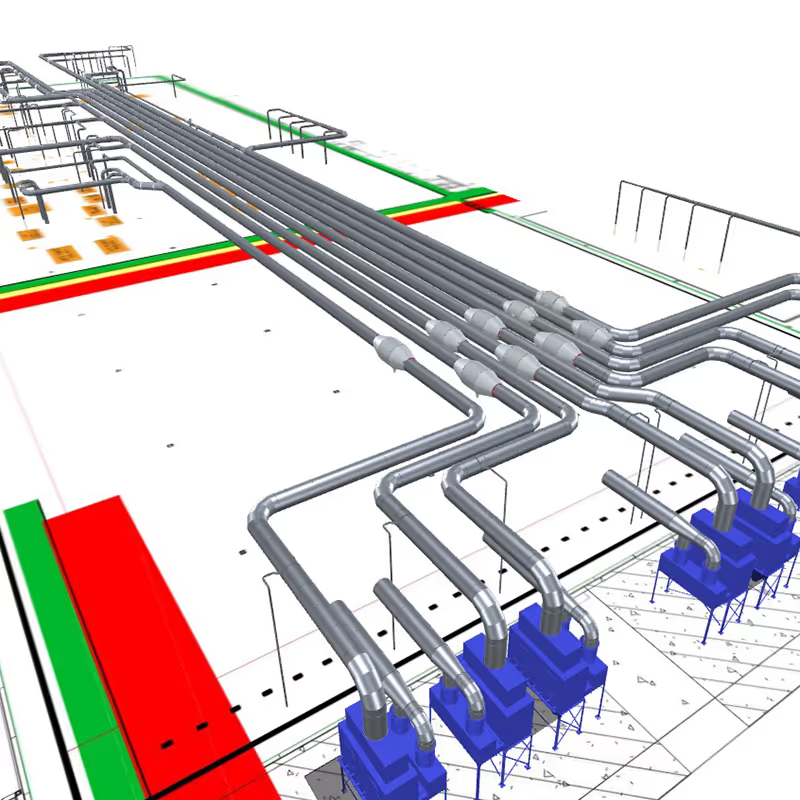



US Duct provides industrial ductwork, tubing, dust collection, fume extraction, and waste handling solutions built for facility operators who need reliable airflow, reduced downtime, and systems that can adapt as production changes.
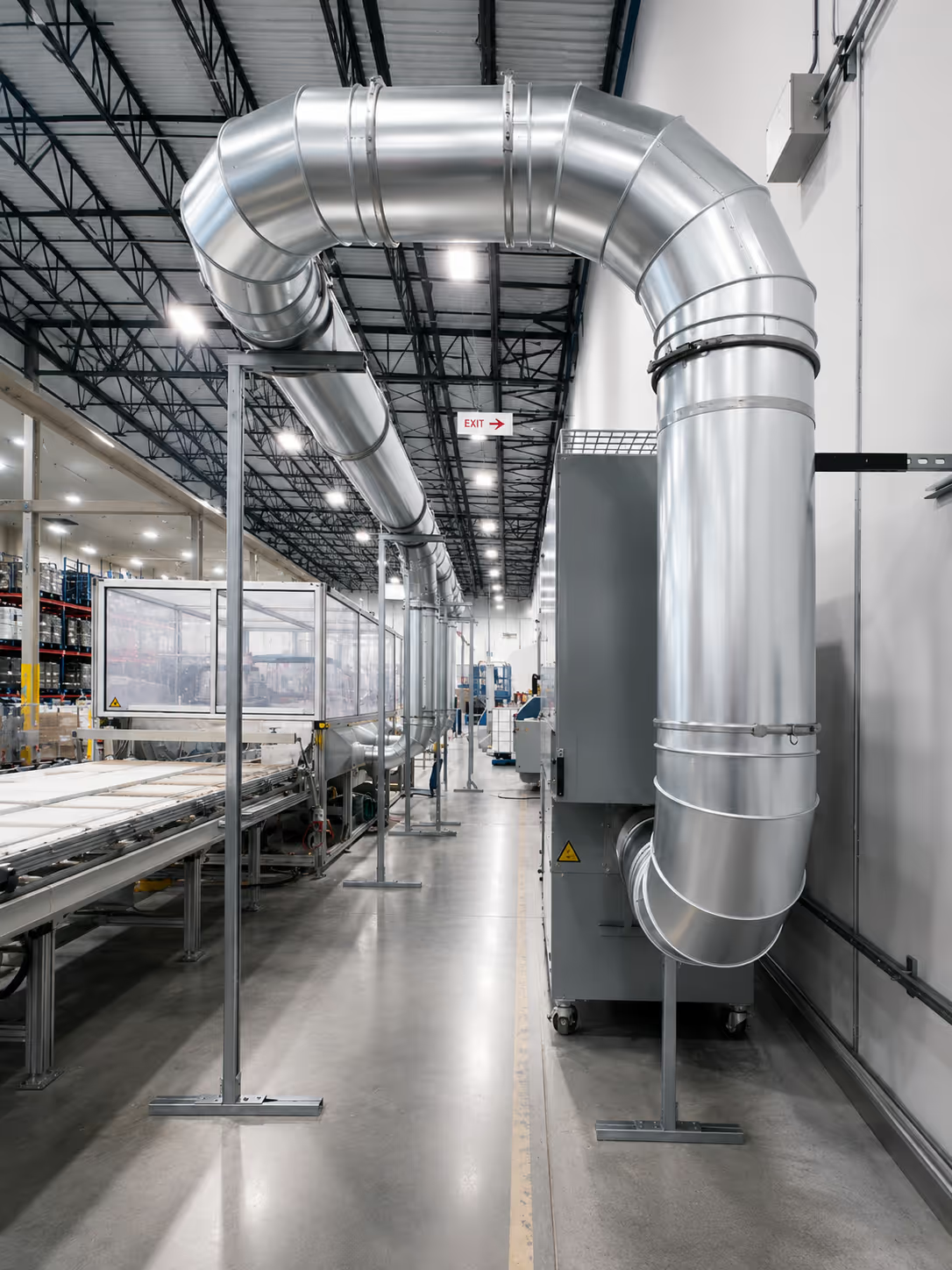
When industrial ductwork is undersized, poorly sealed, hard to modify, or mismatched to the application, the entire facility feels the impact.
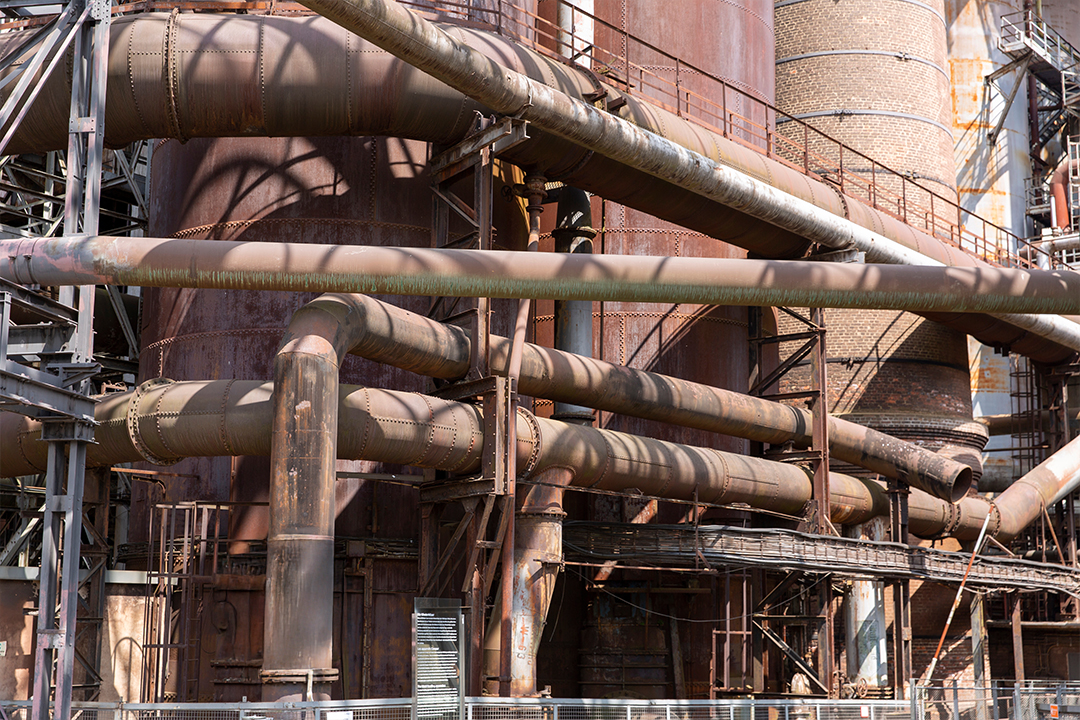
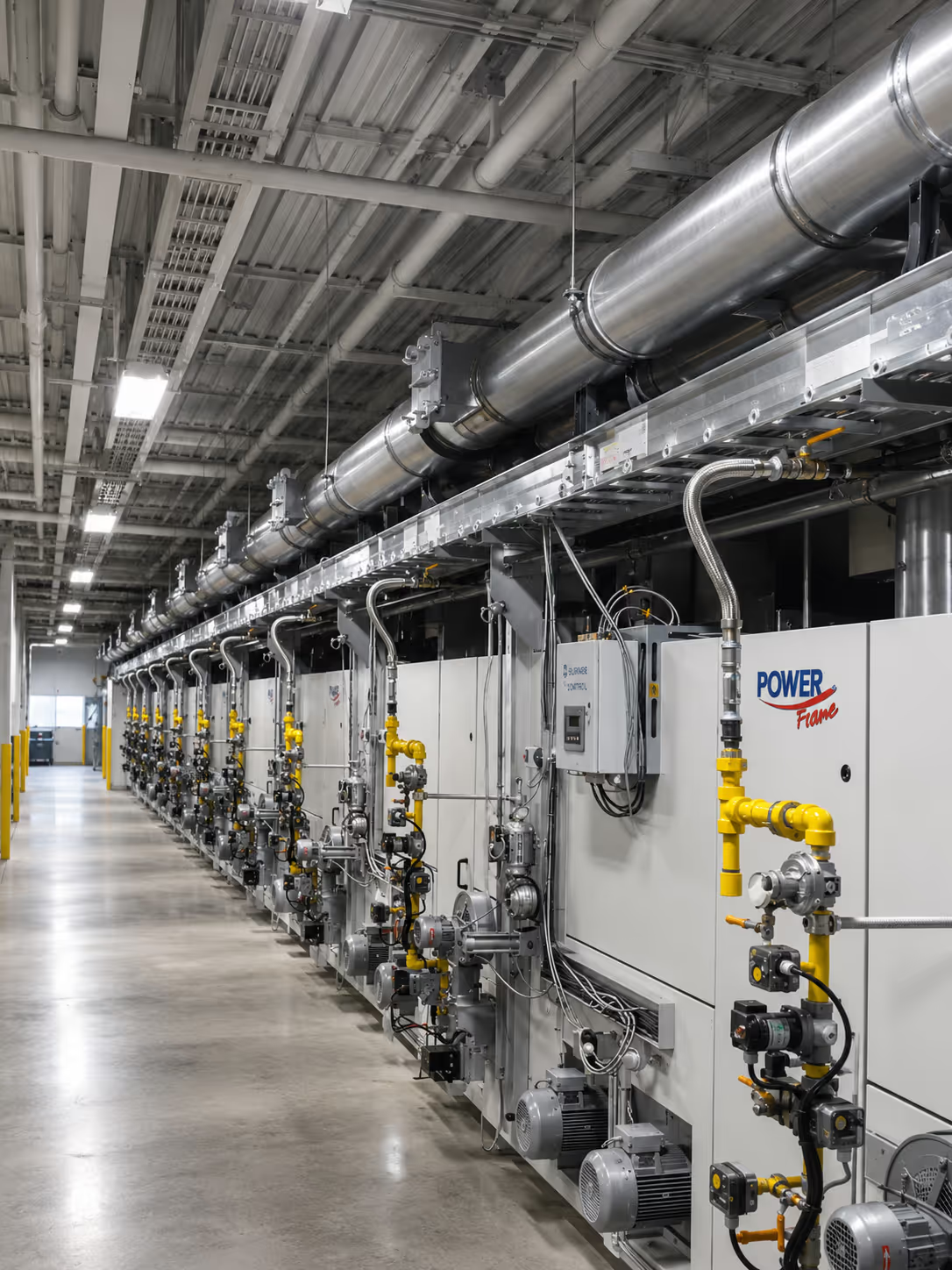
US Duct helps facility operators build ductwork and air handling systems around real production conditions, including process type, material characteristics, airflow requirements, system layout, maintenance access, and future expansion.
Industrial ductwork affects more than airflow. A better-designed system can support cleaner work areas, reduce maintenance time, improve collector performance, help control dust and fume exposure, and make the facility easier to modify as equipment, processes, or production volumes change.



Fast quoting, dependable lead times, and products your customers can count on. We help you keep projects moving and customers coming back.

Technical support, configurable solutions, and performance-focused ductwork designed to fit complex applications and system requirements.
Simple installation, reliable fit-up, and responsive support that helps crews stay efficient in the field and on schedule.

Practical solutions built to improve airflow, reduce maintenance, manage waste, and keep production running smoothly.

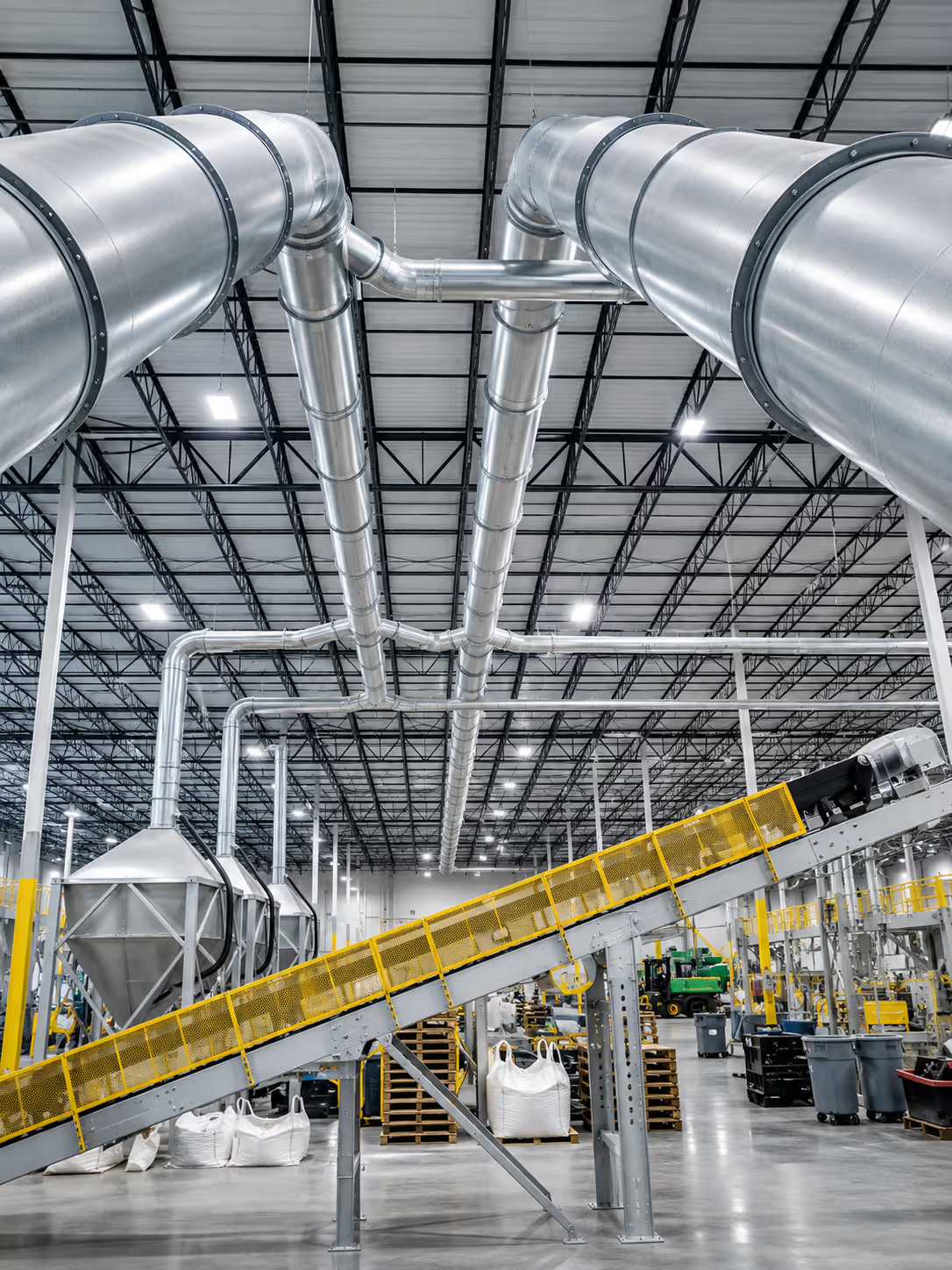
Lorem Ipsum is simply dummy text of the printing and typesetting industry.


Lorem Ipsum is simply dummy text of the printing and typesetting industry.


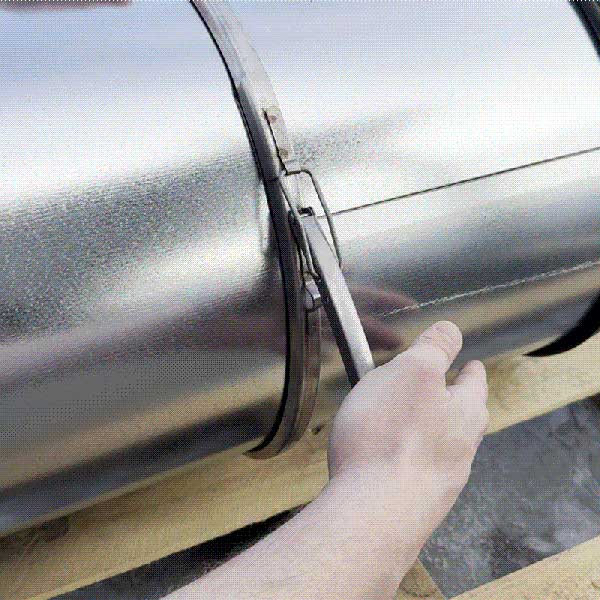
I wanted to tell you straight, the whole project went very well. The ease at which the prefab duct assembled was great. There were some changes I had to make and the ability to get more pipe was critical and that turned out well too! I would recommend this to anyone wanting good quality pipe and easy assembly. It was a snap to put together.
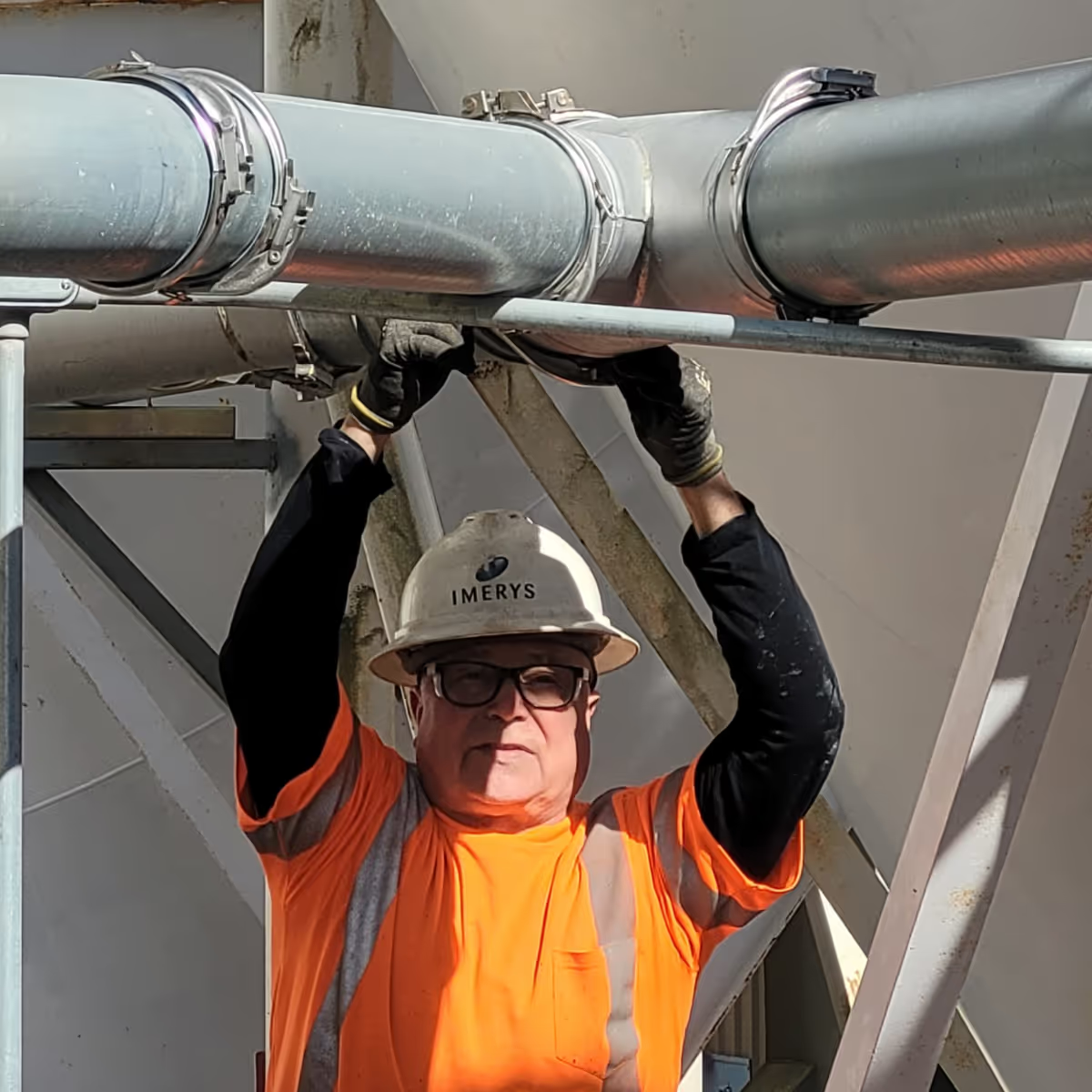
Before switching to US Duct, cleanup around our CNC routers was a constant battle. The new system helped improve airflow consistency and dramatically reduced dust buildup across the shop.

We run planers, sanders, and CNC equipment all day. The system has handled the airflow demands without becoming a maintenance headache.
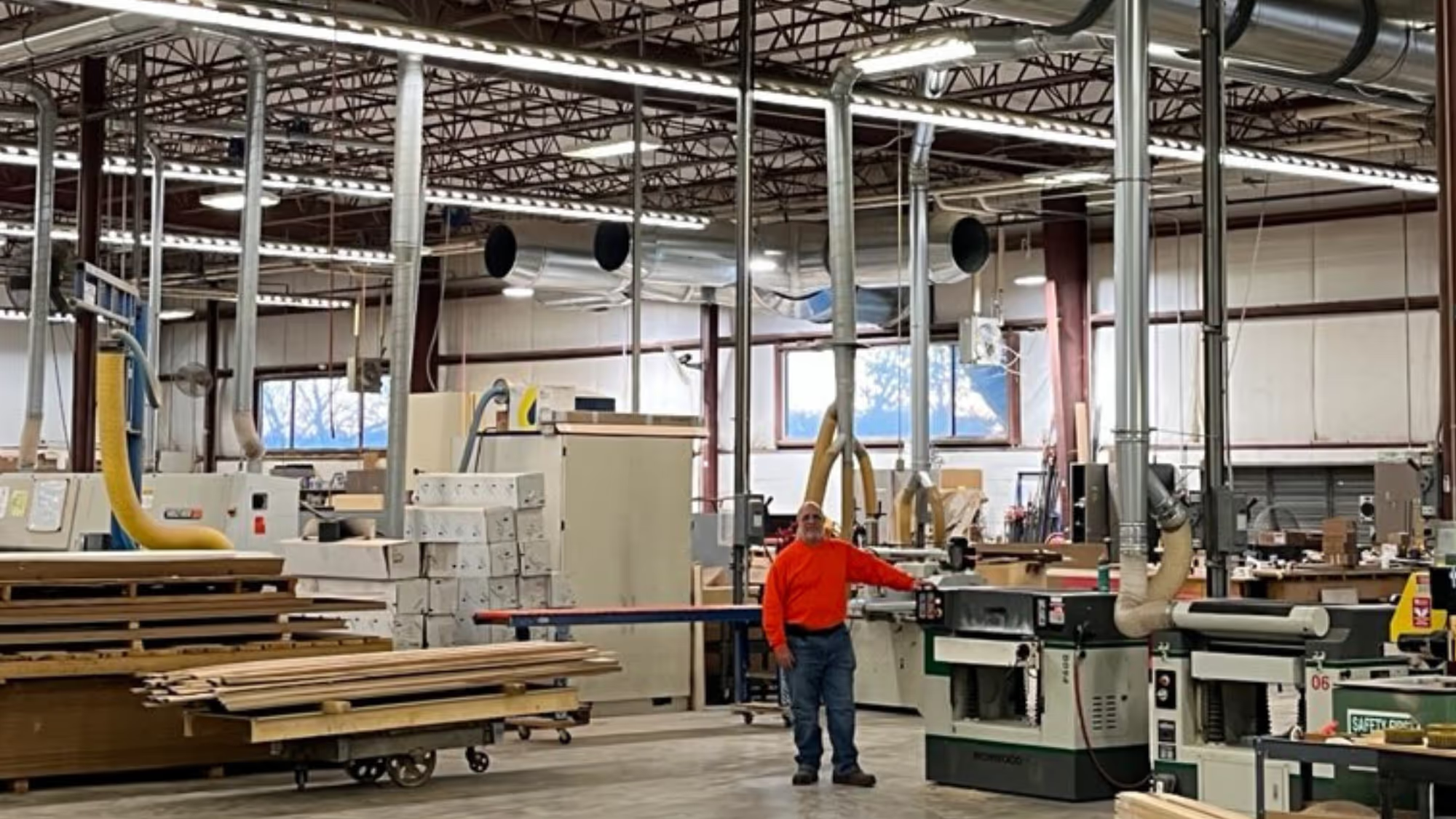
US Duct always takes care of us with the highest quality products and the fastest shipping times in the industry. Their customer service is great, and they will bend over backwards to try and meet our needs

Everyone at US Duct, from the shipping guys to my 'Duct Guy' Kyle, to management - they are all focused on customer service. That helps our business deliver a better experience to our customers and when our customers are happy, we're making more money.
We've had the pleasure of partnering with US Duct for nearly 10 years, working together on hundreds of projects through both good times and challenging ones. The reason we continue to choose US Duct as our trusted partner is simple: they deliver consistently. From fast and accurate drawings to exceptional support, US Duct makes it easy to do business. Their commitment to on-time shipments, with accurate delivery windows, ensures our projects stay on track. The quality of their products is top-notch, and their wide range of options allows us to meet any requirement, no matter the project size. Whether we're working on a $100 job or a $2M project, US Duct has the capability and expertise to handle it with ease. They’ve been a reliable, invaluable partner to our business, and we look forward to continuing this successful relationship.
Get started on a solution tailored to your needs, or explore our range of inline separators, self-dumping hoppers, and baghouses for even more ways to optimize your workspace.
.avif)