

.avif)
Inline Separators vs. Cyclones: Which is the Right Fit?
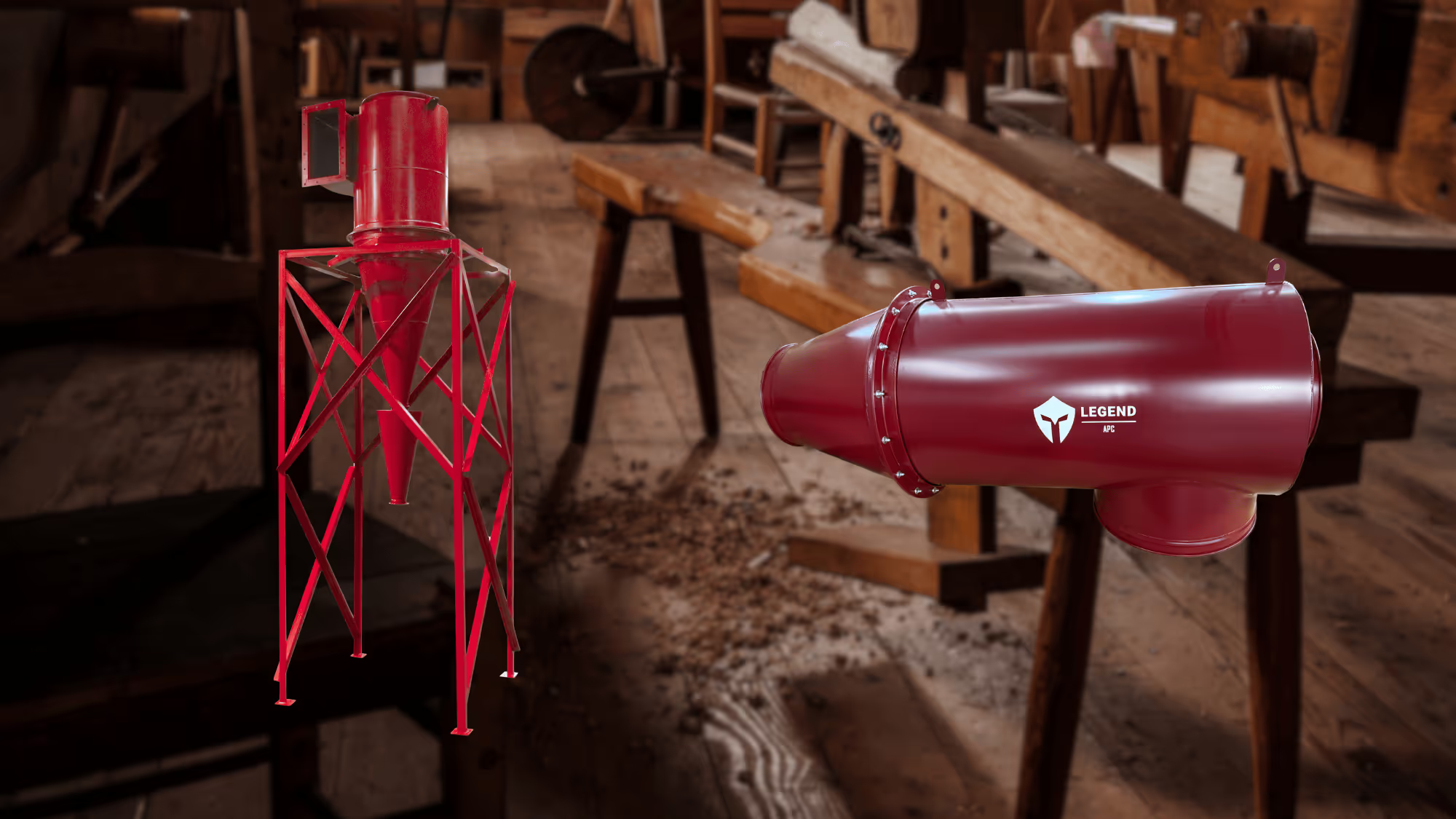
You know what they say—choose the right tool for the job, or spend your weekend unclogging dust barrels and wondering where your Saturday went. When it comes to dust collection, that choice often comes down to one big question: Should I use an inline separator or a cyclone?
Let’s clear the air. (Literally.)
When to Choose an Inline Separator
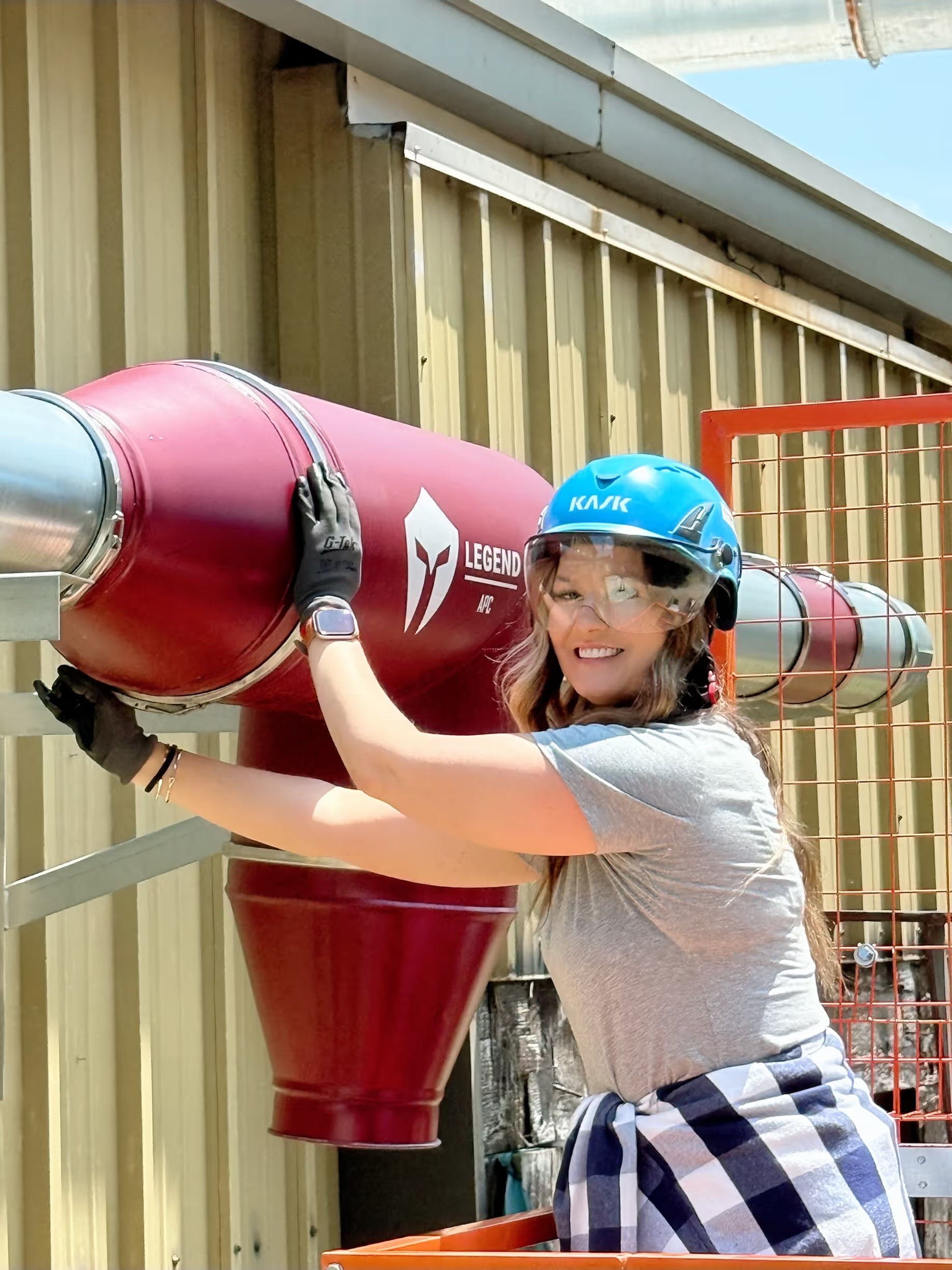
Inline separators are the unsung heroes of efficient dust collection systems, especially in woodworking and plastics shops. These pre-separators do the heavy lifting by removing large particles before they even reach your dust collector. Here’s when they shine:
1. You’re dealing with lightweight, dry materials like sawdust, wood chips, or plastic shavings.
Inline separators are built for this. No moving parts = no headaches. They rely on smart airflow design (and a little physics magic) to keep things flowing and reduce collector load.
2. You want less maintenance and fewer bag changes.
Our Legend Inline Separator can remove up to 90% of waste before it gets to the collector. That means less filter clogs, less downtime, and fewer disgruntled employees muttering about full hoppers.
3. You need something easy to install—without overhauling your system.
Inline separators can be dropped into existing ductwork with ease. No extra fan required. Just more uptime and fewer stoppages.
4. Your shop doesn’t have room for a big cyclone.
Space tight? Inline separators are compact and versatile. They work in-line (hence the name) and keep your shop layout lean and mean.
When to Choose a Cyclone
Cyclones are still rockstars in the right setting. Think of them like the linebackers of dust collection—big, powerful, and great under pressure. Here’s when a cyclone might be your best bet:
1. You’re dealing with heavy or abrasive materials.
Metal shavings, sanding dust, and gritty particles are no match for a cyclone’s centrifugal separation power.
2. You’ve got a large-scale or high-volume operation.
Cyclones thrive in big systems where airflow and material loads are intense. If your shop’s always buzzing, they’ll keep pace.
3. You’re planning a new system build or expansion.
Cyclones are ideal for new installs where you can design around their size and airflow needs. They're less plug-and-play, but worth it for the right jobs.
4. You’ve got room to spare.
These units are larger and often need more headroom or floor space—but if that’s not a problem, they’ll deliver serious performance.
So, while cyclones are beasts at what they do, they’re not always necessary—especially if you're running dry, lightweight dust. An inline separator is the smart move for most wood shops handling dry dust and chasing max efficiency with minimal maintenance.
Short Answer: If you're tired of emptying barrels, your filters keep clogging, or you're just ready for smoother airflow, you should choose the inline separator.
It’s time to stop treating your dust collection system like an afterthought. Add an inline separator and give your collectors a break. They deserve it.
Want help figuring out which setup is right for your shop? Take our short quiz. If you’re stuck deciding or just want to bounce ideas off someone who’s done this before, give us a shout and talk to a Duct Guy or Gal!
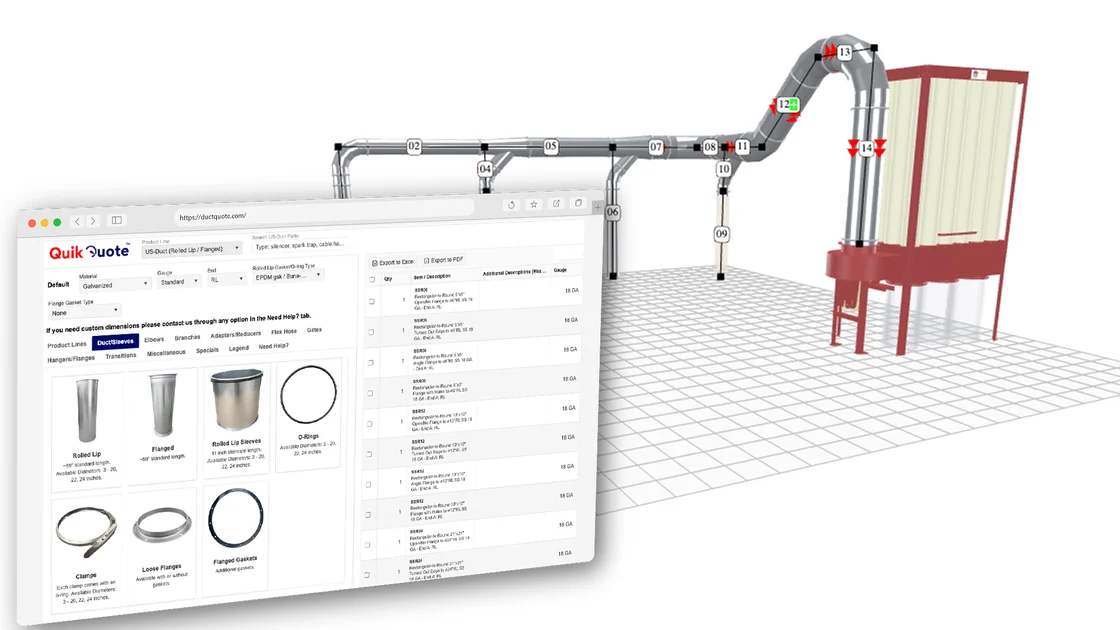
Enhanced Functionality Is Here
.png)
Industrial Tubing vs Spiral Pipe