

.avif)
Top 5 Mistakes Shops Make with Dust Collection—and How to Fix Them
Let’s be honest—dust collection isn’t the flashiest part of running a shop. It doesn’t make cool noises or cut crisp edges. But if you’ve ever dealt with clogged filters, cranky machines, or a surprise spark-and-smoke show, you know how critical it is.
Whether you're working with wood, plastics, or any other dust-producing material, a smart dust collection system can save time, boost productivity, and keep your crew breathing easy (literally). But even seasoned shops make some rookie mistakes.
Let’s dive into the top 5 dust collection blunders—and how to fix them before they turn your operation into a dusty disaster zone.
1. Not Capturing Dust at the Source
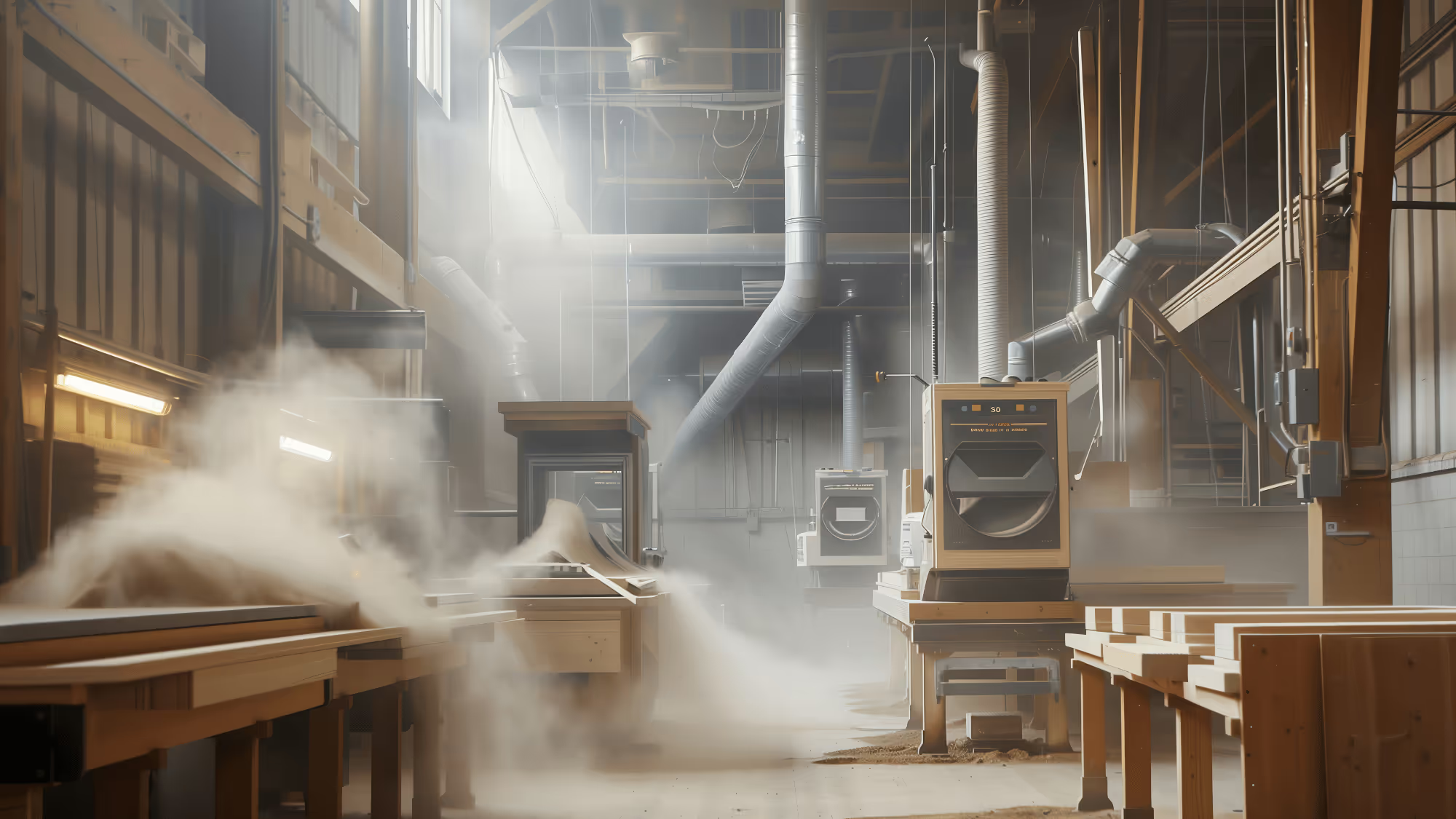
The Problem: Relying on one big intake and hoping it sucks up all the dust is like putting a fan in the corner and calling it “air conditioning.” Spoiler: it doesn’t work. Dust escapes, settles, and becomes tomorrow’s cleanup headache.
The Fix: Use fume arms or localized pickup points to catch dust right where it’s made. Think precision strikes, not area bombing.
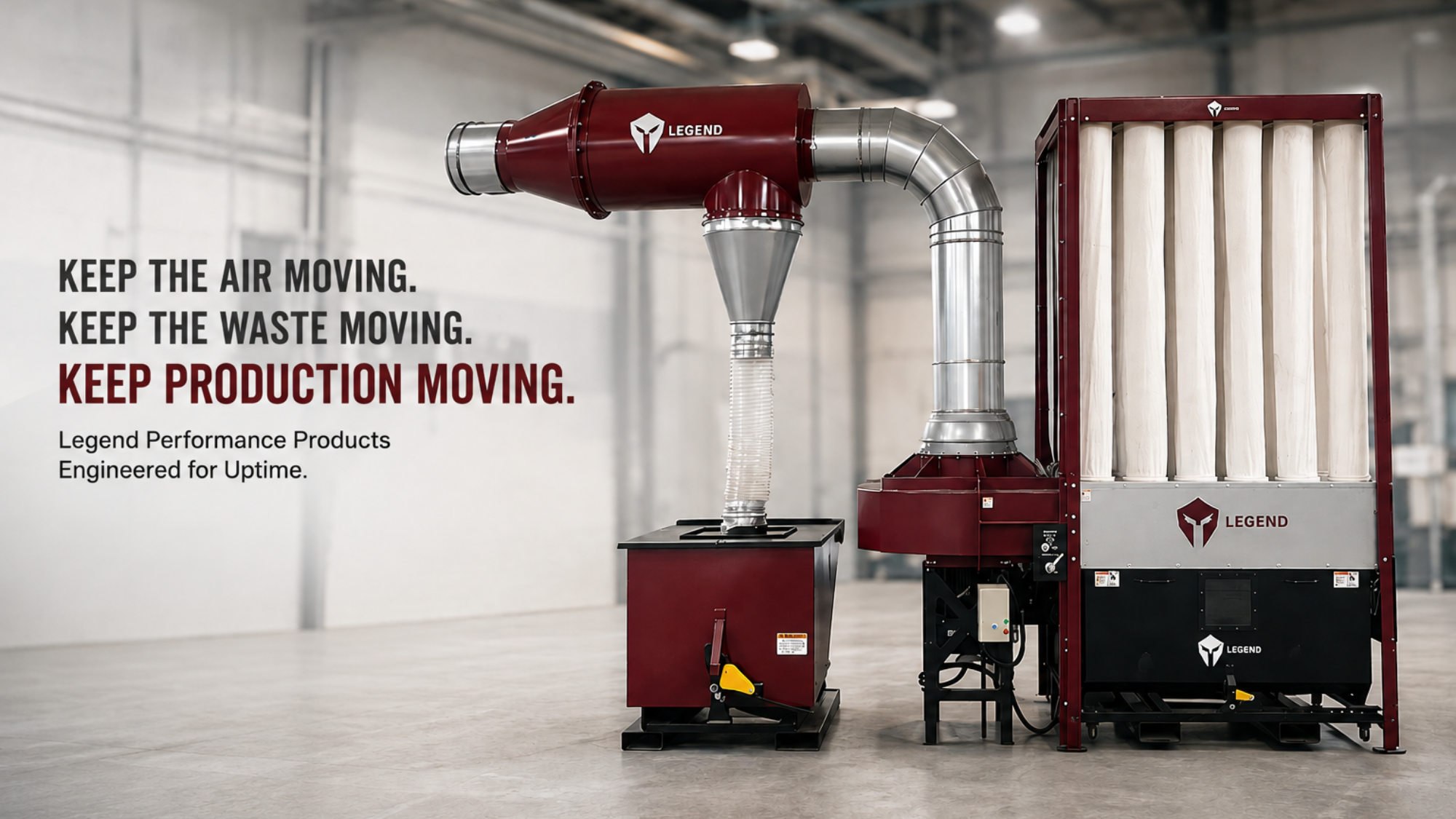
Pro Tip: Add a Legend Baghouse Collector to your setup. It’s built to handle fine dust and nasty particulates without skipping a beat—and it won’t give your filters a meltdown.
2. Ignoring Maintenance Until It’s a Problem
The Problem: If your current maintenance strategy is “wait for something to break,” you’re setting yourself up for downtime, dirty air, and frustrated workers.
The Fix: Set a schedule. Keep things clean. And most importantly—make maintenance so easy, no one can skip it.
Fast Fix: Swap in a Quick-Change Hopper. It lets your team change out waste containers in seconds—no wrestling, no mess, no downtime. Just lift, lock, and get back to work.
3. Using the Wrong Size System for Your Shop
The Problem: Too small and your system chokes. Too big and you’re basically vacuuming your wallet. The wrong fit leads to poor suction, low efficiency, and serious regret.
The Fix: Match your system size to your actual airflow (CFM) and equipment needs. And when in doubt? Talk to the pros (hi, that’s us).
Pro Move: Our Baghouse Collector comes in a variety of sizes, so it scales with your shop—whether you’ve got 2 machines or 20.
4. Forgetting About Static and Fire Risks
The Problem: Plastics, fine wood dust, and certain metals all come with a not-so-fun bonus: static buildup and flammability. If your system isn’t grounded or protected, one little spark could cause big trouble.
The Fix: Ground everything. Seriously. And if you’re cutting or grinding metal, use a Spark Trap. Fire prevention > fire insurance.
Safety Tip: Our dust collection systems play nicely with grounding best practices and optional spark traps. One less thing to lose sleep over.
5. Making Waste Removal Way Too Complicated
The Problem: If workers are spending more time swapping bags than building things, you’ve got a waste management problem.
The Fix: Upgrade to larger-capacity hoppers and streamline the dumping process.
Easy Button: Pair your system with our Quick-Change Hopper or Self-Dumping Hopper (see page 15 of the catalog). They’re like the forklifts of waste handling—strong, efficient, and always ready to help.
Dust collection doesn’t have to suck at sucking. With a few smart upgrades and a little system savvy, you can keep your shop cleaner, safer, and a whole lot less frustrating.
Ready to fix what’s slowing you down? Check out our Legend Baghouse Collector and Quick-Change Hopper to start working smarter, not harder.
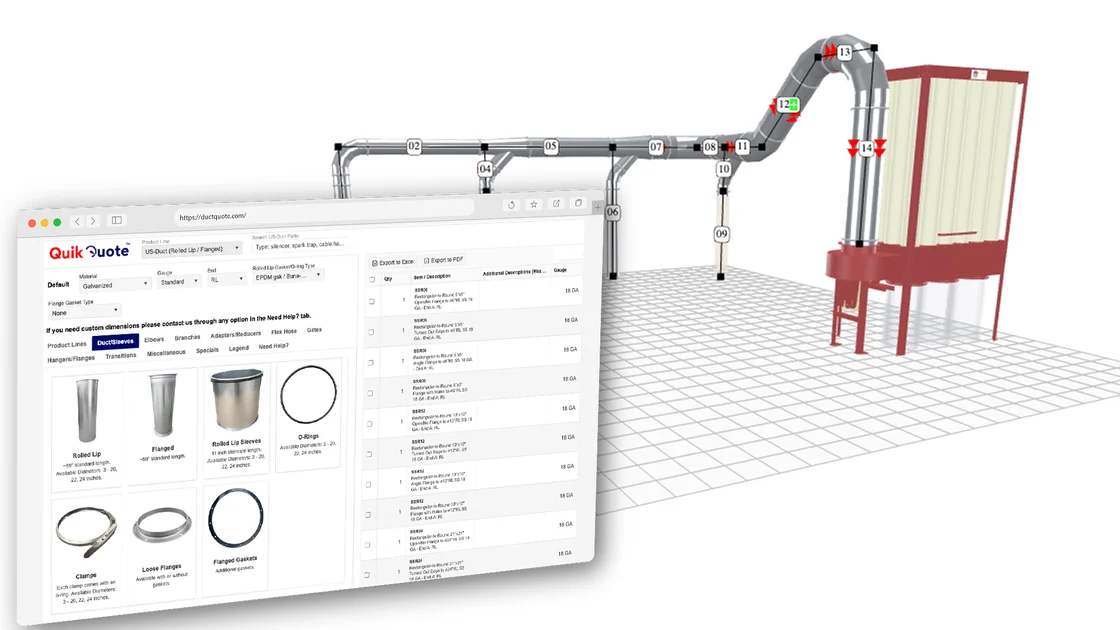
Enhanced Functionality Is Here
.png)
Industrial Tubing vs Spiral Pipe